
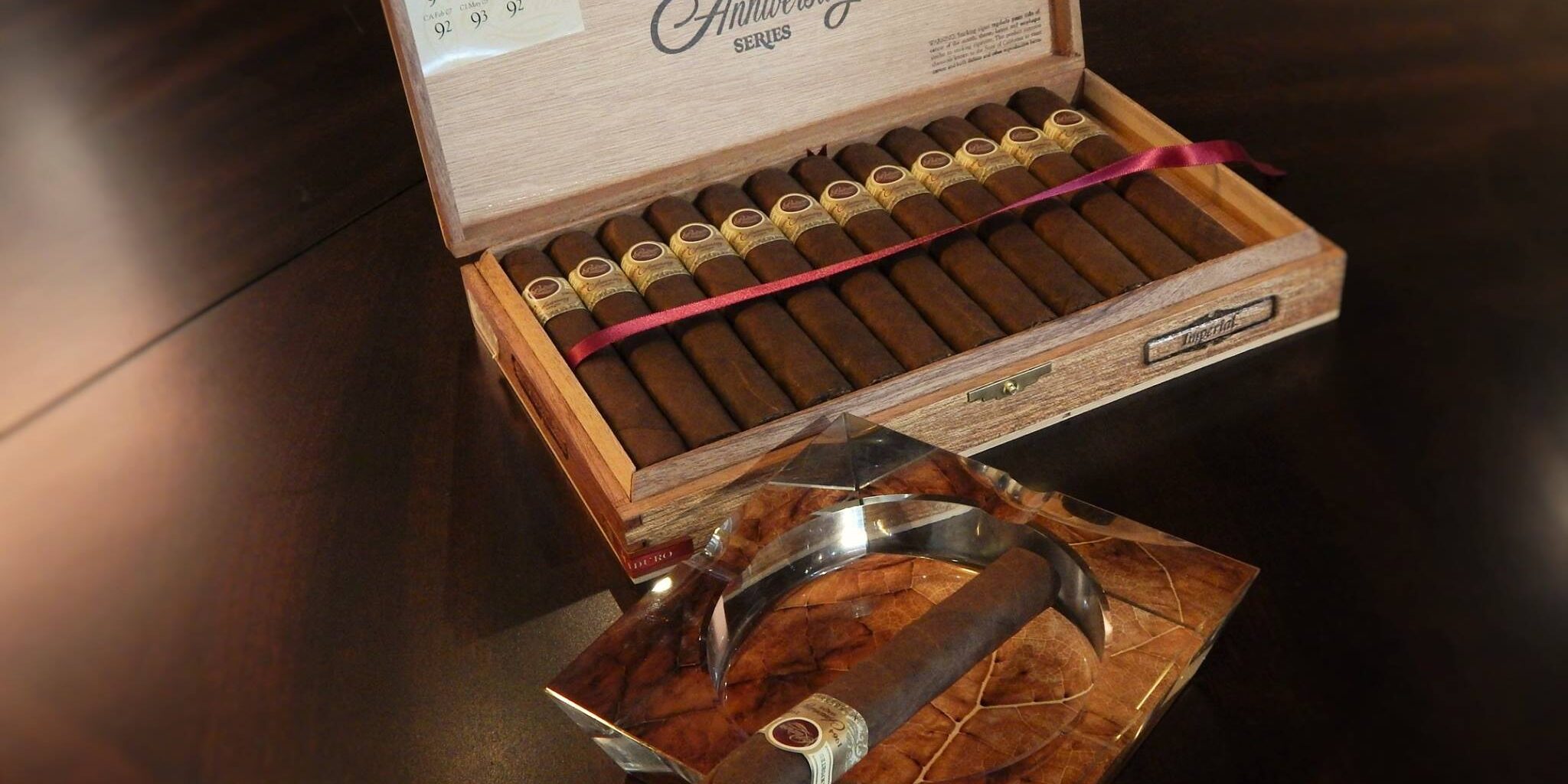
The history of cigars stretches back more than 3,000 years to 2500 B.C., when the Maya civilization first developed tobacco for medicinal and ritual purposes[23][24]. Christopher Columbus introduced tobacco to Europe in 1492 after observing indigenous peoples smoking rolled leaves[6]. America had 80,000 cigar-making operations across the country by 1905[6]. The history of Cuban cigars became central to this development and established quality standards still revered today. We’ll explore this experience from ancient rituals through European discovery and American manufacturing booms to the modern craft cigar renaissance.
Ancient Origins: The Maya and Early Tobacco Use
The Maya Civilization and Tobacco Rituals
Researchers working at the ancient Mesoamerican site of Cotzumalhuapa in Guatemala found something unexpected in ceramic vessels dating from 600 to 900 CE. Traces of nicotine revealed the first physical evidence of liquid tobacco use in ancient ritual practices[1]. The vessels sat near sweat baths and suggested connections to childbirth ceremonies and healing rites[1].
The Maya called tobacco “piziet” and integrated it into their spiritual worldview[25]. Tobacco in liquid form proved highly toxic and potentially lethal, but ritual practitioners used tobacco-infused offerings to induce visions and divinatory trances[3]. Sixteenth-century sources describe a ceremonial preparation called teotlaqualli, meaning “food of gods.” This black ointment combined ground tobacco with venomous animals and psychoactive ololiuqui seeds. Priests used it to communicate with spirits during sacrificial ceremonies[1].
Archeological evidence suggests tobacco use in the Americas extends back 12,300 years[26]. Four charred tobacco seeds found in Utah pushed the timeline 9,000 years earlier than previously documented[26]. Tobacco possessed mind-altering properties that connected the physical and spiritual realms for the Maya[27].
Early Forms of Tobacco Consumption
Smoking remained the preferred method throughout Mesoamerica[3]. The Maya rolled tobacco into cigars or wrapped leaves with sapodilla, Barbados cherry, and allspice pepper[3]. Some smoked through maize husks or hollow reed stems[3]. Ancient deities appear in carvings holding cigars and emphasize tobacco’s sacred status[3].
Other consumption methods included chewing, snuffing, licking, and drinking tobacco preparations[3]. Francisco Fuentes y Guzmán documented Maya customs in the 16th century and noted how they would “imbibe the smoke, and thus inebriated, they will invoke the devil to learn about the future”[25]. Ritual practitioners performed enemas with tobacco and drank balché alongside wild Nicotiana rustica[25].
The Ch’orti’ Maya applied tobacco juices to their skin to diagnose disease and communicate with spirits[3]. Tobacco served protective functions against witchcraft and evil. It imbued ritual objects with spiritual potency[3]. Liquid tobacco preparations treated asthma and gastrointestinal ailments in documented medicinal practices[3].
The Meaning Behind ‘Sikar’ and ‘Cigar’
The word “cigar” entered English in 1730 from Spanish “cigarro,” which traces back to the Maya word “sicar”[4]. The Maya language used “si’c” to mean tobacco, while “sicar” referred to the act of smoking rolled tobacco leaves[5][4]. This etymological connection links modern cigar terminology to ancient Maya practices.
Some scholars suggest Spanish “cigarra,” meaning grasshopper or cicada, influenced the word based on shape resemblance[4]. But the linguistic evidence points strongly toward Maya origins and reflects how indigenous practices shaped European vocabulary after contact. The transformation from “sicar” to “cigarro” to “cigar” demonstrates how the history of cigars in America and Europe remained rooted in Mesoamerican culture.
Discovery and Spread Across Europe (1492-1700s)
Christopher Columbus and the Age of Discovery
Christopher Columbus made the first written reference to smoking tobacco in his journal on November 6, 1492[28]. His crew observed native people rolling herbs they called “tabacos” inside dried leaves and lighting one end. The smoke made them feel sleepy or intoxicated when they inhaled it[28]. Columbus had received a bunch of dried herbs as gifts upon his arrival in October, but neither he nor his sailors understood their purpose until they watched the natives chew and smoke them[28].
Rodrigo de Jerez, one of the sailors who took up smoking, faced severe consequences when he returned to Spain. People believed a man blowing smoke from his mouth and nose must be possessed by Satan. The Spanish Inquisition arrested Jerez and imprisoned him for several years as a result[28]. Smoking had become a craze across Spain at the time of his release[29].
The exact origin of tobacco smoking remains unknown, but we know South Americans smoked it for thousands of years before European contact[30]. Columbus sent two crew members inland during his expedition to Cuba. They encountered natives carrying a “band of fire in their hands and herbs whose smoke they drank”[30]. The rolled leaves served multiple purposes: festivals, religious ceremonies, and peace treaty signings among tribal chiefs[30].
Tobacco as Medicine in European Courts
Tobacco entered Europe framed as medicine rather than recreation. Portuguese sailors began planting tobacco around their trading outposts in the 15th century for personal use and gifts[31]. They started growing tobacco in Brazil mid-century, and it soon became a sought-after commodity traded across European and American ports[31].
Jean Nicot, the French ambassador in Lisbon, presented tobacco to Queen Catherine de Medici around 1560 as a cure for her severe migraines[29]. Nicot prescribed it as snuff. The sneezing it caused expelled what physicians believed were painful “evil spirits”[29]. Catherine enjoyed snuff so much she adopted it full-time, followed by her court and the upwardly mobile middle classes throughout France, Portugal, and Spain[29].
Spanish physician Nicolas Monardes wrote a book claiming tobacco could cure 36 specific ailments[31]. European doctors recommended tobacco for toothache, falling fingernails, worms, halitosis, lockjaw, and cancer[32]. The herb earned names like “holy herb” and “God’s remedy” due to its perceived panacea properties[33].
The Rise of Commercial Tobacco Companies
Amsterdam became a global center for tobacco trade in the 17th century. Virginia tobacco imports to Amsterdam multiplied from 500 kilograms in 1616 to 20,000 in 1620 and 700,000 in 1629[34]. Much of this import supplied trading to the rest of Europe while also meeting domestic demand[34].
The tobacco plant and its use had been introduced to almost every country in Europe at the end of the 16th century[31]. The city’s tobacco factories produced affordable products. They combined expensive American tobacco with cheaper indigenous Dutch tobacco[34]. Normalization of tobacco smoking in the Dutch Republic took about half a century. It moved from novelty to widespread acceptance across all social classes around the 1630s[34].
Opposition and Controversy in the 17th Century
Tobacco faced fierce opposition despite rapid spread. King James I of England published “A Counterblaste to Tobacco” in 1604, calling it “a custome lothsome to the eye, hatefull to the Nose, harmefull to the braine, dangerous to the Lungs”[35]. England placed a heavy protective tariff on tobacco imports that same year, raising duty from 2p per pound to 6s 10p[35].
The Catholic Church sanctioned the execution of five friars who smoked during a service in 1692[29]. Sultan Murad beheaded anybody caught smoking in public between 1623 and 1640 in Turkey[29]. Louis XIII of France declared in 1635 that tobacco was medicine only doctors could prescribe, though this restriction was overturned the following year due to profit opportunities[29].
Governments recognized tobacco’s revenue potential quickly. Barnabee Rych reported that 7,000 stores in London sold tobacco in 1604, with at least 319,375 pounds sterling spent annually[35].
The Birth of Modern Cigars (1700s-1800s)
Spanish Cigar Manufacturing Begins
A factory opened in Seville, Spain in 1758 and changed everything. The Spanish monarchy controlled this tobacco processing facility, which marked the birth of the modern cigar industry[36]. Spanish colonists had already built North America’s first cigar factory in Cuba, but the Seville operation set up standardized production methods that would define cigar manufacturing for centuries.
Spain developed an appetite for cigars that exceeded its production capabilities. This led to Spanish investment in Cuba, where cigar production began in earnest[15]. The island’s climate proved perfect for growing tobacco. Cuba soon became the cigar manufacturing capital of the world[36].
Cuban Cigar Factories and Mass Production
Havana’s population boomed after Spain’s king declared free trade in 1818[15]. Many famous cigar brands emerged that remain popular among cigar lovers during this period. Punch got its start in Cuba in 1840, founded by a German[36][15]. Spaniard Jaime Partagás built the famous Partagás factory in 1845[15]. German Emilio Ohmstedt created El Rey del Mundo and Sancho Panza in 1848. José Gener, a young immigrant from Spain, founded Hoyo de Monterrey in 1865[15].
The Introduction of Cigar Bands
Cuban cigars became so prized in Europe during the 1800s that fraud ran rampant. Germany produced most of the non-Cuban supply at about a penny per cigar, yet the public clamored for cigars from Havana that cost 15 times that amount[8]. The owner of Cabañas cigars in Cuba found that 6 million cigars were being sold in Europe for every one of the 2 million Cuban cigars he shipped there[8].
Gustave Bock, a Dutch-born immigrant who owned a cigar factory in Cuba, solved this problem in the 1830s. He placed a paper ring with his signature on each cigar to export and created the first cigar band[8][9]. This allowed consumers to verify authenticity. Nearly every Cuban export brand carried a cigar band registered with the government by 1855[8].
History of Cigars in America: Early Import and Domestic Production
Israel Putnam brought cigars to America in 1762 after returning from Cuba with Havana cigars and Cuban tobacco seed[10][6]. He planted these seeds in the Hartford area of New England and developed Connecticut wrapper tobacco[6]. Cigars remained a luxury product enjoyed by the wealthy until the War of 1812 altered the map of American commerce[10].
The war disrupted American trade with Britain and forced merchants to seek new partners. Cuba became one of the largest trading partners of the United States and Cuban cigars began arriving in American ports in unprecedented volume by the 1820s[10]. Cigar-making took off in New York, Pennsylvania and Connecticut during the 1820s-1830s[10].
Over 40,000 cigar factories were producing cigars to satisfy domestic and European customers by the end of the 1800s[11]. Cleveland alone had 300 cigar factories, including J.C. Newman Cigar Co., which began in 1895 and still exists[15]. There were 80,000 cigar-making operations in the US in 1905[6]. Vicente Martinez Ybor set up a cigar factory in Key West in 1869, then moved his operation to Tampa in 1885 and created Ybor City[6][37]. There were 150 factories in the Tampa area employing more than 10,000 workers by 1910[37].
The Golden Age and Evolution of Cigar Making
Cuban Cigars Become the World Standard
Cuba established itself as the measure for premium cigars through careful soil cultivation and elastic tobacco perfect for rolling. The golden era of Cuban cigars peaked between 1990 and 1993, when production remained stable and quality reached outstanding levels[7]. These vintages survived the test of time in a remarkable way. But Cuba faced a “Dark Period” from around 1997 until 2002, marked by poorly constructed cigars and under-fermented tobacco[7]. The government once announced plans to produce 200 million cigars by 2000, though actual production remained below 100 million[7]. Quality improvements became noticeable again in the 2003-2004 era[7].
From Hand-Rolling to Machine Production
Oscar Hammerstein invented the first cigar-rolling machine around 1885[13]. Manufacturers began using these machines in the 1920s for mass production, and Cuban factories received them around 1925[13]. Machine-made cigars use shorter filler that burns faster and more evenly than hand-rolled varieties[13]. Premium handmade cigars differ from machine production, which enabled consistency but sacrificed complexity. Two firms dominate the industry now: Altadis and Scandinavian Tobacco Group[6].
Famous Cigar Regions and Their Characteristics
The Dominican Republic produces 44% of the world’s most traded cigars, with 90% of factories located in the fertile Cibao region[6]. Nicaragua’s volcanic soil yields sweet, earthy tobacco, while Honduras features tobacco grown from Cuban seeds[14]. Connecticut’s shade-grown wrappers earn praise for elasticity and mild flavors[14]. Ecuador’s volcanic ash-enriched soil and constant cloud cover produce silky wrappers without shade structures[14].
The Decline and Resurgence of Handmade Cigars
American cigar consumption dropped more than 66% between the mid-1960s and early 1990s[15]. Premium cigar imports hovered around 100 million units throughout the 1980s[15]. Cigar Aficionado magazine launched in September 1992 and sparked renewed interest[15]. Imports climbed 66.7% in 1996 to over 293 million cigars[15]. The market nearly tripled between 1992 and 1996[15].
Cultural Impact and Modern Cigar Craft
Cigars as Status Symbols and Cultural Icons
Cigar smoking regained its status during the Great Depression, but the aristocratic elite no longer held exclusive rights. Babe Ruth made cigars iconic through photographs that spread everywhere[16]. Gangsters like Al Capone and Lucky Luciano adopted cigars to project wealth and power. They fancied themselves CEOs rather than criminals[16].
The 1980s Wall Street boom created another important era. Stockbrokers with French cuff shirts and suspenders smoked cigars as symbols of success[16]. This continued into the 1990s cigar boom, when Cigar Aficionado showcased celebrities smoking and created a massive fad. Sales skyrocketed and brands like Arturo Fuente emerged[16].
The internet gave rise to the boutique craft era. Informed smokers now inspect what others smoke and seek the newest or rarest cigars[16]. Limited editions and anniversary series capture this sense of luxury[16].
The Art of Premium Cigar Making Today
Premium cigar production starts with tobacco selection from Honduras, Nicaragua, the Dominican Republic, Ecuador, and Costa Rica[2]. Rolling requires years of training passed through generations[2]. Apprenticeships provide structured pathways for learners to achieve higher-level skills[2].
Cuban factories emphasize hand-rolled techniques and meticulous craftsmanship[17]. Nicaragua produces bold, full-bodied blends from volcanic soil[17]. The Dominican Republic offers balanced, mild cigars that appeal to a variety of palates[17].
Modern Cigar Lounges and Communities
Cigar lounges provide comfortable seating, premium ventilation, on-site humidors, and drink service[18]. Many host brand tastings, rolling demonstrations, and meet-the-blender evenings[18]. These spaces function as cultural hubs where factory workers, doctors, and lawyers find common ground[19].
Dallas exemplifies this culture with lounges like Industrial Cigar hosting community events[20]. The resurgence reflects appreciation for artistry. Lounges offer education and transform patrons into enthusiasts[19].
Regulations and Industry Challenges
Judge Amit P. Mehta ruled the FDA ignored scientific evidence when it included premium cigars in tobacco regulations[21]. An FDA-funded study showed cigar smokers do not have higher mortality rates than non-smokers[21]. The court vacated the Deeming Rule for premium cigars and exempted handmade, unflavored cigars from FDA oversight[12]. Premium cigars must meet eight criteria that include whole tobacco leaf wrappers and hand-rolling[12]. Flavored and machine-made cigars remain subject to FDA regulations[22].
Conclusion
The trip from ancient Maya rituals to modern craft lounges reveals how cigars evolved from sacred offerings into symbols of artistry and community. In fact, the standards set by Cuban masters still guide today’s premium cigar makers. America’s cigar industry exploded to 80,000 operations by 1905. Then it transformed through machine production before experiencing a handmade renaissance in the 1990s. Recent regulatory victories show that premium cigars maintain their distinct status as artisan products. Cigars continue connecting enthusiasts among different generations and backgrounds, whether you’re drawn to the history, craftsmanship, or culture.
FAQs
Q1. Where did cigars originate? Cigars originated in the Americas with indigenous cultures, particularly the Maya civilization around 2500 B.C. The ancient Maya cultivated and smoked tobacco for medicinal and ritual purposes, rolling tobacco leaves into early forms of cigars. Christopher Columbus first encountered tobacco smoking in 1492 when he observed native peoples in the Caribbean smoking rolled leaves.
Q2. How did cigars spread to Europe? Cigars reached Europe through Christopher Columbus and Spanish explorers in 1492. Initially, tobacco was introduced as medicine rather than for recreation. Portuguese sailors began planting tobacco around their trading outposts, and by the mid-16th century, it became a sought-after commodity. Jean Nicot presented tobacco to French Queen Catherine de Medici around 1560 as a cure for migraines, which helped popularize it among European courts.
Q3. When did modern cigar manufacturing begin? Modern cigar manufacturing began in 1758 when a factory opened in Seville, Spain, establishing standardized production methods. Cuba became the cigar manufacturing capital with famous brands emerging in the 1840s-1860s, including Punch (1840), Partagás (1845), and Hoyo de Monterrey (1865). In America, cigar production took off in the 1820s-1830s, reaching 80,000 operations by 1905.
Q4. Why were cigar bands invented? Cigar bands were invented in the 1830s to combat fraud. Cuban cigars were so prized in Europe that counterfeit products flooded the market—for every 2 million genuine Cuban cigars shipped, 6 million fake ones were sold. Gustave Bock, a Dutch-born factory owner in Cuba, created the first cigar band by placing a paper ring with his signature on each cigar to verify authenticity.
Q5. What caused the cigar boom in the 1990s? The 1990s cigar boom was sparked by the launch of Cigar Aficionado magazine in September 1992, which showcased celebrities smoking cigars and renewed public interest in premium cigars. The market nearly tripled between 1992 and 1996, with imports climbing 66.7% in 1996 alone to over 293 million cigars. This resurgence emphasized handmade craftsmanship and transformed cigars back into status symbols and cultural icons.
References
[1] – https://www.nationalgeographic.com/history/article/ancient-maya-drinking-tobacco
[2] – https://obtcigar.com/blogs/news/the-art-of-cigar-making
[3] – https://www.cambridge.org/core/journals/antiquity/article/residue-analysis-suggests-ritual-use-of-tobacco-at-the-ancient-mesoamerican-city-of-cotzumalhuapa-guatemala/B8DE0CCECF3F7F378013E4D17DF7E0A2
[4] – https://www.etymonline.com/word/cigar
[5] – https://www.vocabulary.com/dictionary/cigar
[6] – https://en.wikipedia.org/wiki/Cigar
[7] – http://www.cigaraficionado.com/article/cuba-25-years-later
[8] – https://www.holts.com/clubhouse/cigar-culture/cigar-bands-history
[9] – https://www.cigarplace.biz/blog/the-history-of-cigar-bands-art-collecting.html
[10] – https://www.theamericancigarco.com/blog/the-roots-of-cigar-smoking-in-america-how-the-war-of-1812-sparked-a-nation-of-cigar-lovers#:~:text=By the 1820s%2C Cuba had,American ports in unprecedented volume.&text=By the 1820s-1830s%2C cigar,York%2C Pennsylvania%2C and Connecticut.
[11] – https://www.northwoodshumidors.com/blogs/cigar-blog/cigar-blog-explore-the-rich-history-of-cigar-farms-in-the-us?srsltid=AfmBOop-ksEWGTTL0wZpKYCjUHdnRmUcK17YxAsWBUKgxBCt-UY20Ww7
[12] – http://www.cigaraficionado.com/article/d-c-justice-rules-for-premium-cigars-again
[13] – https://www.avanticigar.com/history-of-the-cigar-rolling-machine/
[14] – https://stogiesworldclasscigars.com/blog/tobacco-growing-regions-explained-stogies-world-class-cigars/
[15] – http://www.cigaraficionado.com/article/a-brief-history-of-the-cigar-industry-16667
[16] – https://www.jrcigars.com/blending-room/blog/how-and-why-cigars-became-a-status-symbol/
[17] – https://privadacigarclub.com/blogs/masterclass/cigars-the-masterclass-episode-eight-the-craft-of-cigar-production?srsltid=AfmBOoophIye1essbGbQ67i_peFrnqZo9wPTKC1dnfmfQT0mMMW3xiOZ
[18] – https://renegadecigars.com/pages/glossary-industry-culture-cigar-lounge?srsltid=AfmBOor-QdlEKgjIbQOuA0nqw9_zyXlZRmFwN5ZAtzR9jCxFtyXLehj0
[19] – https://citylifestyle.com/articles/cigar-lounges
[20] – https://www.thegentlemansjournal.com/article/cigar-lounges-in-dallas/
[21] – https://www.thecentersquare.com/national/article_4a2e3a04-379a-11ee-88fe-2b3a2fd15b68.html
[22] – https://halfwheel.com/court-keeps-premium-cigar-definition-flavored-cigars-not-exempt/467465/
[23] – https://www.thecigar.com/content/6-history-of-the-cigar
[24] – https://www.coronacigar.com/blog/history-of-cigars/?srsltid=AfmBOoqTXfQ4FimxZr_q01u_QR5agmuE4KaVwPpWIiZbXKBjNa_nW6Zp
[25] – https://www.sciencedirect.com/science/article/pii/S2173580814001527
[26] – https://www.facebook.com/groups/1519103878311682/posts/3104320356456685/
[27] – https://www.sciencedirect.com/science/article/abs/pii/0378874183900843
[28] – https://www.historyhit.com/columbus-makes-first-reference-smoking-tobacco/
[29] – https://www.st-group.com/about-us/our-tobacco/history-of-tobacco/
[30] – https://www.villigercigars.com/en-us/blog-detail/how-columbus-discovered-the-world-of-tobacco/
[31] – https://tobaccofreelife.org/tobacco/tobacco-history/
[32] – https://www.afro.who.int/sites/default/files/2017-09/Chapter 32. The history of tobacco.pdf
[33] – https://pmc.ncbi.nlm.nih.gov/articles/PMC1079499/
[34] – https://www.tandfonline.com/doi/full/10.1080/14780038.2021.1976701
[35] – https://en.wikipedia.org/wiki/History_of_tobacco
[36] – https://www.jrcigars.com/blending-room/university/cigar-history/a-brief-history-of-cigars/
[37] – https://www.floridamemory.com/learn/classroom/learning-units/cigar-industry/photos/
